Space Capsule Cat Backpack: Fit, Ventilation, Safety
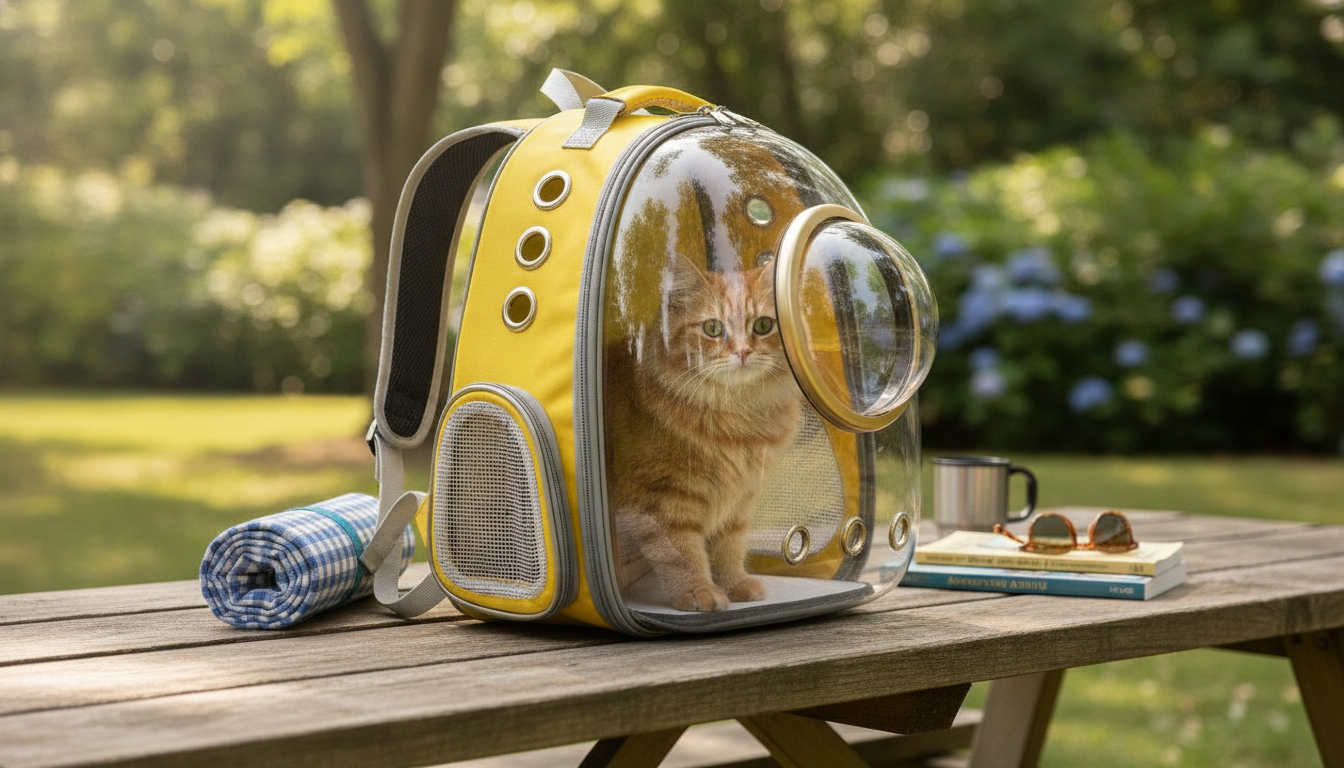
Luxury Cat Space Capsule Transparent Backpack
A transparent “space capsule” backpack carrier turns everyday errands, vet visits, and short trips into calmer, hands-free travel. This guide covers comfort, ventilation, fit, safety checks, and care—plus a quick feature table to help decide if this carrier style matches a cat’s personality and routine.
What a space capsule backpack is best for
Transparent backpack carriers are popular for cats that prefer to stay close while still taking in the world. Compared with a standard hard carrier, a backpack can reduce bumps in crowds and keep hands free for doors, transit cards, and leashes.
- Hands-free transport for city walks, public transit, and crowded areas where a traditional carrier can bump into people.
- Cats that feel safer when they can see their surroundings rather than being fully enclosed.
- Short-to-medium outings: grooming appointments, vet checkups, quick shopping runs, or patio visits.
- Pet parents who want a carrier that doubles as a statement accessory without sacrificing function.
- Not ideal for: very long travel days without breaks, cats that panic when exposed/visible, or heavy cats that exceed the carrier’s recommended weight limit.
Comfort and ventilation: the non-negotiables
Because clear shells can trap warmth, comfort starts with airflow and smart temperature management. A carrier that looks great but runs hot won’t feel safe to a cat (and won’t be pleasant to carry).
- Ventilation should be present on multiple sides (not just one panel) to reduce heat buildup inside the dome area.
- A stable, flat interior base helps a cat settle; add a washable pad or thin blanket for traction and familiarity.
- Temperature awareness matters more with transparent shells: avoid direct sun, hot cars, and midday pavement heat.
- For anxious cats, start with short “practice rides” at home, leaving the bag open so it becomes a safe hangout spot.
- Look for shoulder straps that distribute weight well; a chest strap can reduce bounce on stairs and sidewalks.
General travel safety guidance from veterinary organizations can help you plan safer outings. See the American Veterinary Medical Association (AVMA) travel safety tips and the ASPCA’s general cat care guidance for additional best practices.
Safety checklist before every outing
A quick pre-trip routine lowers the risk of escapes and stress. It also helps catch small issues (like a sticky zipper) before you’re standing outside the vet’s office.
- Check zippers, clips, and seams: close all openings fully and confirm no gaps near the dome edge or side panels.
- Trim sharp claw tips to reduce snagging on mesh/lining and to protect the clear window from scratches.
- Keep the backpack upright; rapid tilting can make a cat brace and increase stress.
- Never hang the backpack on a hook with a cat inside; set it on a stable surface when resting.
- Bring essentials: a small collapsible bowl, water, treats, and a lightweight towel to shade the dome if needed.
Sizing and fit: how to tell if it’s the right carrier
Transparent backpack carriers are typically structured, so the “right fit” is about interior space and stability—not just a weight number. A comfortable cat should be able to settle, sit up naturally, and turn around without pressing constantly into the window.
- Measure a cat’s length (nose to base of tail) and height (floor to shoulder) and compare to interior space; a cat should be able to sit and turn around.
- Weight capacity matters, but comfort depends on body shape; long cats may need more interior depth even at lower weights.
- A secure base prevents “sagging” that puts pressure on joints; look for a firm bottom panel and supportive structure.
- If a cat presses the nose constantly against the dome or can’t reposition, the carrier is likely too small or too hot.
- For two-cat households: space capsule backpacks are typically designed for one cat only; avoid doubling up unless explicitly designed for it.
Quick features checklist for a transparent backpack carrier
| Feature | What to look for | Why it matters |
|---|---|---|
| Ventilation | Multiple vent points (side + back), breathable panels | Helps prevent overheating and stale air |
| Interior base | Rigid bottom + soft pad | Improves stability and reduces stress |
| Visibility | Clear dome/window with minimal distortion | Allows curious cats to observe and stay calmer |
| Access points | Wide opening + secure zippers | Easier loading/unloading and safer closure |
| Strap support | Padded straps and stabilizing buckle | More comfort for the wearer; less bounce for the cat |
| Cleanability | Wipeable shell + removable liner | Faster cleanup after shedding or accidents |
Using a transparent backpack for calmer trips
Care, cleaning, and keeping the dome clear
Product spotlight
If the space capsule style matches your cat’s personality and your day-to-day routine, the Luxury Cat Space Capsule Transparent Backpack is a stylish, hands-free carrier option for cats that prefer visibility on walks and short outings.
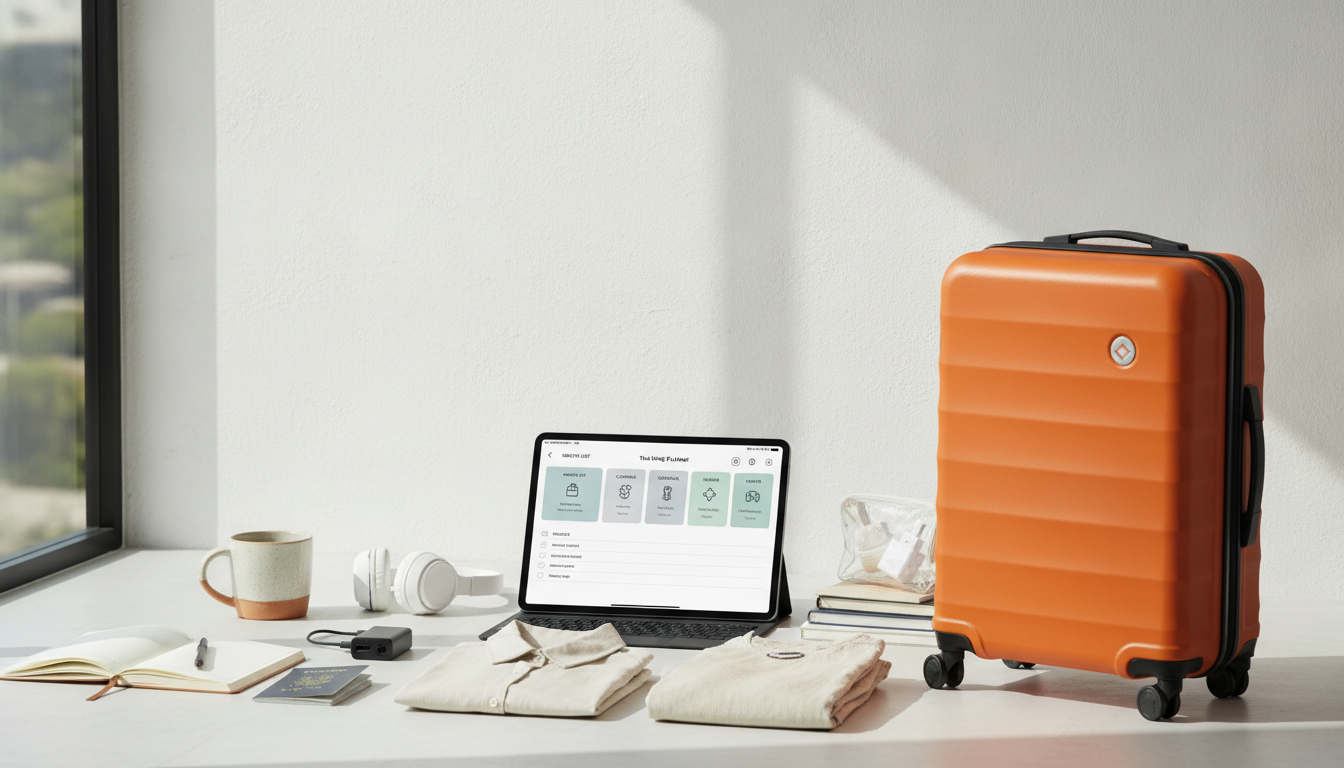
Planning longer trips beyond quick local outings? Pairing your cat travel routine with a well-prepared personal travel checklist can make day trips smoother overall. The The Smart Traveler’s Guide to Global Etiquette | Digital Download eBook is a convenient add-on for travelers who like having practical tips organized in one place.
FAQ
Do cats like transparent backpack carriers?
Many curious cats do well because they can see out, but shy cats may feel exposed. Start with gradual training at home, add a familiar blanket for comfort, and use a light cover in busy areas if your cat seems overstimulated.
How can overheating be prevented in a space capsule backpack?
Stick to shade, avoid direct sun, take short breaks, and make sure vents aren’t blocked. Never leave a cat in a parked car, and watch for warning signs like panting, drooling, or lethargy.
How should a cat be introduced to a backpack carrier?
Leave it open at home first, place treats inside, and let your cat explore voluntarily. Progress to short zip-ups with rewards, then brief indoor carries, and finally short outdoor sessions while reinforcing calm behavior.








Leave a comment