Best Toys for Indoor Cats: Wands, Puzzles, Tunnels
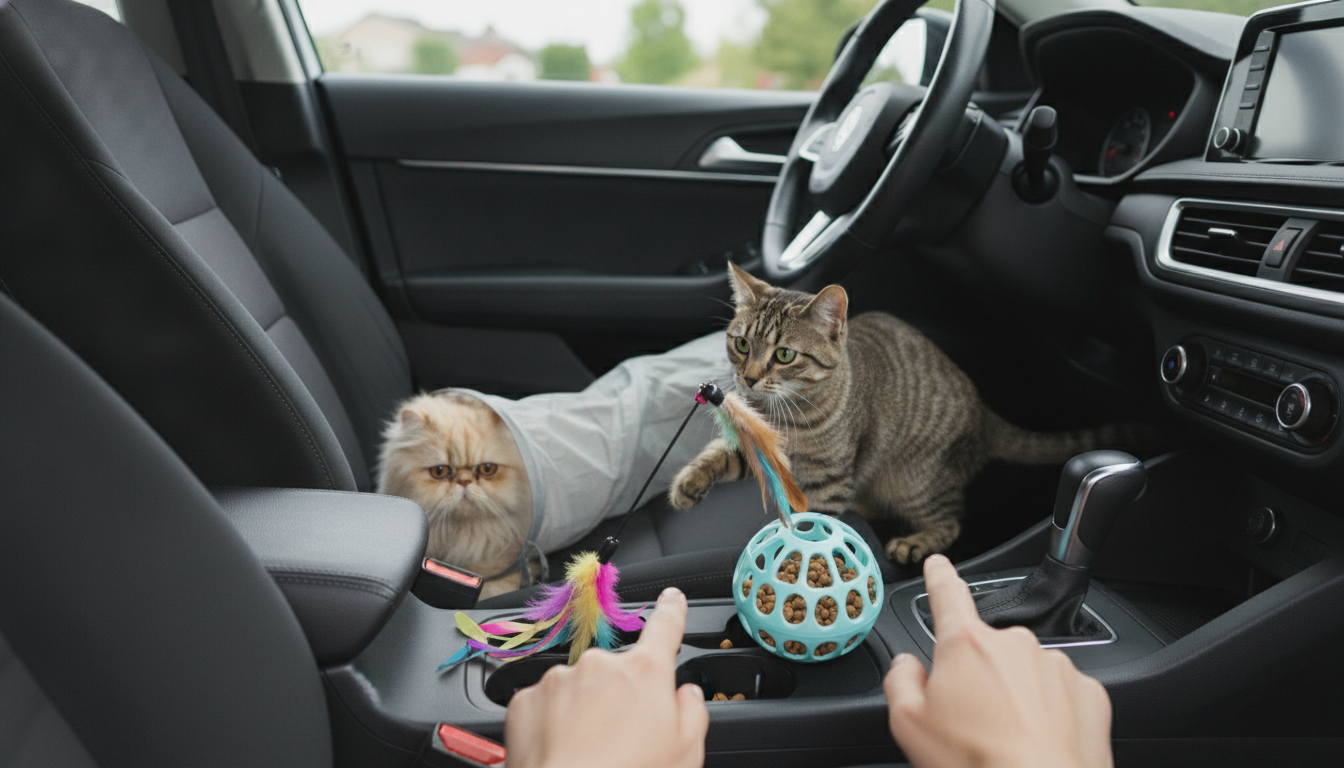
What do indoor cats like to play with?
Indoor cats usually enjoy toys that mimic hunting, chasing, and pouncing. Since they don’t have the same daily stimulation as outdoor cats, the best playthings are the ones that move unpredictably, feel “alive,” and let them stalk, swat, and capture. A small rotation of toys also helps keep play fresh and prevents boredom.
Wand and teaser toys
Feather wands, ribbon teasers, and string toys are favorites because they let cats chase something that darts and flutters like prey. Move the toy in short bursts, pause behind furniture, and let your cat “catch” it at the end to avoid frustration.
Small chase toys
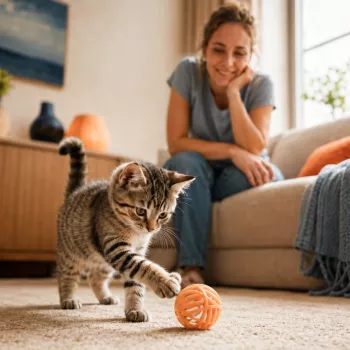
Many indoor cats love lightweight balls, crinkle balls, and soft mice they can bat across hard floors. Toys that roll unpredictably are especially engaging. If your cat likes noise, look for toys with a gentle rattle or crinkle (not overly loud).
Interactive and puzzle toys
Food puzzles, treat balls, and lick mats turn play into problem-solving. These are great for cats that seem “busy-minded,” for multi-cat homes where you want individual enrichment, or for cats that eat too fast. Start easy and increase difficulty as your cat learns the game.
Kick and wrestle toys
Long “kicker” toys (often stuffed with catnip or silvervine) are ideal for bunny-kicking and wrestling. They’re also a good alternative to hands during rough play. If your cat gets overstimulated, swap to a kicker and end the session on a calm note.
Boxes, tunnels, and DIY fun
Sometimes the best toy is a cardboard box, paper bag (handles removed), or a pop-up tunnel. These create hiding spots for ambush play and help shy cats feel secure while they explore. Even simple items like a cardboard scratcher can double as a lounge and a play zone.
For more ideas and detailed toy suggestions, visit https://dreamfindingsera.shop/what-do-indoor-cats-like-to-play-with/.
FAQ
How often should you play with an indoor cat?
Most indoor cats do best with 2–3 short play sessions per day, around 10–15 minutes each. Adjust based on age and energy level, and aim to end with a “catch” and a calm cooldown.









Leave a comment