Eco Portable Cleaning Brush with Soap Dispenser (3-in-1)
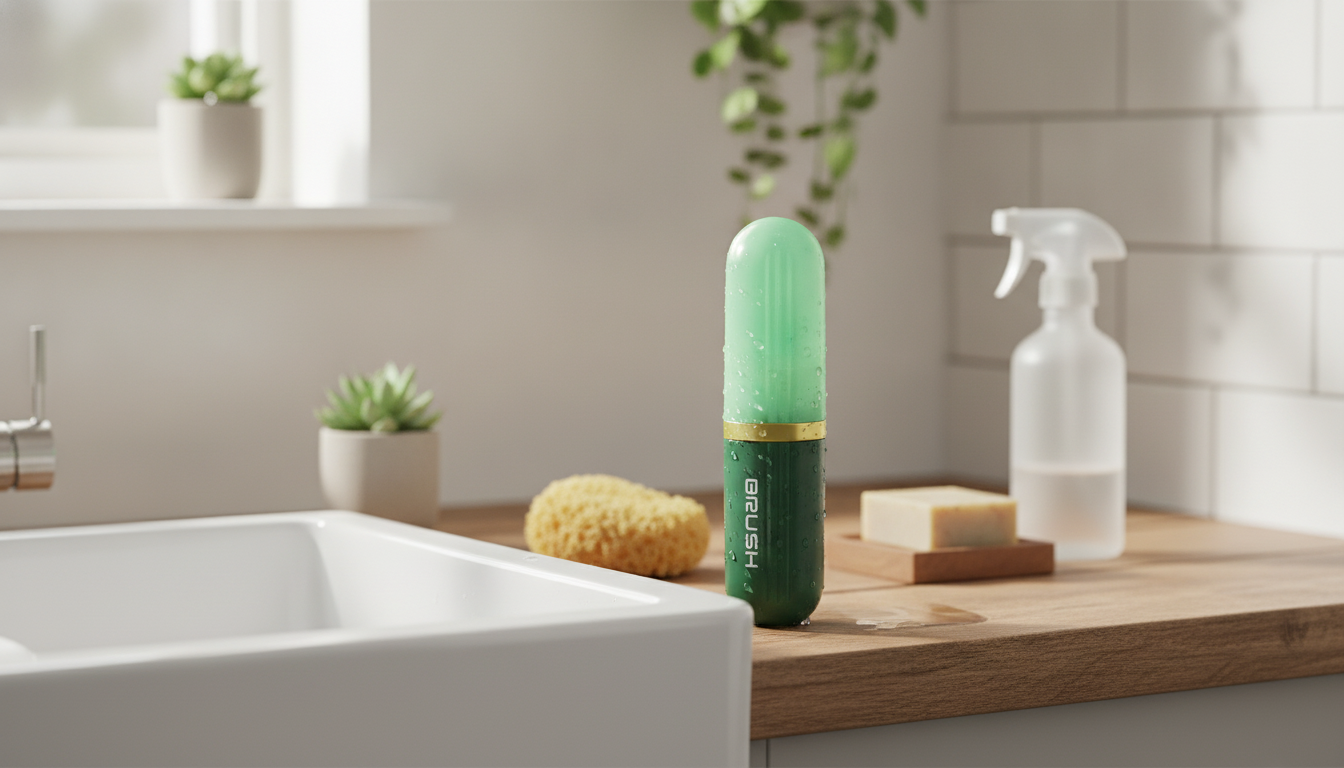
3-in-1 Eco-Friendly Portable Cleaning Brush with Liquid Dispenser: Quick Cleaning Anywhere
A compact cleaning brush with a built-in liquid dispenser makes small messes easier to handle at home or on the go. The 3-in-1 design combines controlled soap dispensing, targeted scrubbing, and easy storage in one tool—handy for quick touch-ups without dragging out a full cleaning caddy. Below is a practical look at how it works, where it shines most, and how to keep it effective while using less product and creating less waste. For more guidance, see 6 Best Carpet Cleaners of 2026, Lab-Tested and Reviewed.
What Makes a 3-in-1 Brush Different
A dispenser brush is designed for “right-now” messes: a sticky mug ring, a greasy pan corner, a sink edge that’s starting to build up. Instead of reaching for a bottle, a sponge, and a separate scrubber, you keep soap inside the handle and dispense only what you need. For further reading, see Cleaning Supplies and Equipment | HAIs – CDC.
- Built-in reservoir stores dish soap or cleaning solution for fast spot-cleaning.
- Button or squeeze-style dispensing helps control how much liquid you use, so you’re not flooding the surface.
- Brush head scrubbing power targets stuck-on residue on dishes, pans, sinks, tiles, and other hard surfaces.
- Portable form factor fits in a kitchen caddy, travel kit, or camper bin for quick access when space is limited.
That “dispense + scrub” combo is especially useful for small cleaning sessions. You can knock out a few items in minutes, then rinse the brush and put it away—no need to leave a wet sponge sitting out.
Where It Helps Most (Home, Travel, and Small Spaces)
This style of brush earns its keep anywhere you’d rather store one compact tool than a lineup of bottles and scrubbers. It’s also a practical choice when water access is limited, because you can use tiny bursts of soap and rinse efficiently.
- Kitchen: quick scrubs for plates, mugs, cutting boards, and countertop spills.
- Bathroom: soap scum touch-ups around sinks, faucets, and tile grout lines.
- Dorms and offices: reduces the need to store multiple bulky cleaning tools.
- Camping and road trips: convenient for washing utensils and small cookware with limited water.
Common tasks and suggested approach
| Task | Liquid amount | Scrub technique | Rinse/finish |
|---|---|---|---|
| Greasy pan spot | Small dab | Short circular passes on affected area | Rinse with hot water; repeat if needed |
| Coffee mug ring | Small dab | Focus on the ring edge; moderate pressure | Rinse; air-dry |
| Sink edge buildup | Small dab | Angle bristles into corners | Rinse; wipe with cloth |
| Travel utensil wash | Tiny dab | Light scrubbing to save water | Rinse with minimal water; dry |
How to Fill, Dispense, and Use Without Waste
The goal is simple: start small, and let warm water plus agitation do most of the work. Over-dispensing soap often creates extra rinsing and more residue left behind on bristles.
- Fill with dish soap or a diluted cleaning concentrate (follow label directions for dilution).
- Begin with a minimal dispense; add more only if the surface still feels oily or sticky after scrubbing.
- Use warm water when possible to boost cleaning performance with less liquid.
- For delicate surfaces, test a small area first and scrub lightly to avoid scuffs.
- After use, rinse the bristles and dispensing area to reduce residue buildup that can cause clogging.
If you’re choosing cleaning products with a lower environmental impact, look for third-party criteria such as the EPA Safer Choice Standard. No matter what you use, avoid mixing chemicals (especially bleach with ammonia or acids), and follow label directions for safe use.
Eco-Friendly Habits That Pair Well With a Dispenser Brush
A dispenser brush supports low-waste routines best when it’s paired with small behavior tweaks. The biggest wins usually come from reducing overuse, extending tool life, and swapping disposables for reusables.
- Choose concentrated soap and dilute appropriately to reduce packaging and excess chemicals.
- Dispense in short bursts rather than a continuous flow to cut overuse.
- Use a washable dishcloth to wipe and finish after scrubbing instead of paper towels.
- Air-dry the brush between uses to extend lifespan and reduce odor.
Care, Cleaning, and Storage
Product Snapshot: 3-in-1 Eco-Friendly Portable Cleaning Brush with Liquid Dispenser
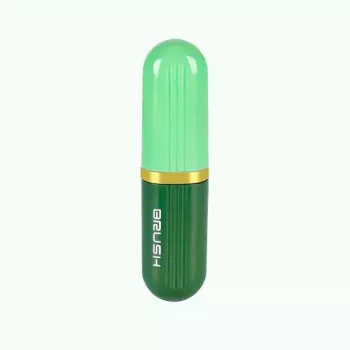
If you want one compact tool for everyday touch-ups, the 3-in-1 Eco-Friendly Portable Cleaning Brush with Liquid Dispenser is designed for quick, targeted cleaning with an integrated liquid reservoir. It’s easy to store in small kitchens, dorm rooms, RVs, and travel kits, and it works well for day-to-day dishwashing touch-ups and general hard-surface scrubbing.
At-a-glance details
| Item | Details |
|---|---|
| Name | 3-in-1 Eco-Friendly Portable Cleaning Brush with Liquid Dispenser |
| Price | 8.51 USD |
| Availability | In stock |
| Product page | View product |
A helpful travel add-on
For frequent flyers and international road trippers building a more organized travel kit, The Smart Traveler’s Guide to Global Etiquette is a digital download that pairs nicely with minimalist packing—especially when you’re bouncing between hotels, rentals, and shared kitchens.
FAQ
What liquids can be used in the dispenser?
Dish soap and appropriate all-purpose cleaners are common choices; follow product labels for dilution and compatibility. Avoid mixing chemicals (especially bleach with ammonia or acids), and rinse the brush well when switching solutions.
How can lingering odors be prevented in the brush head?
Rinse thoroughly after each use, shake out excess water, and let the brush air-dry completely in a ventilated spot. Periodically deep-clean it with hot soapy water to remove trapped residue that can cause odor.
Is it safe to use on nonstick cookware?
Use gentle pressure and confirm the bristle softness is suitable for your cookware. If you’re unsure, test lightly in an inconspicuous area and avoid aggressive scrubbing that could damage the coating.










Leave a comment